
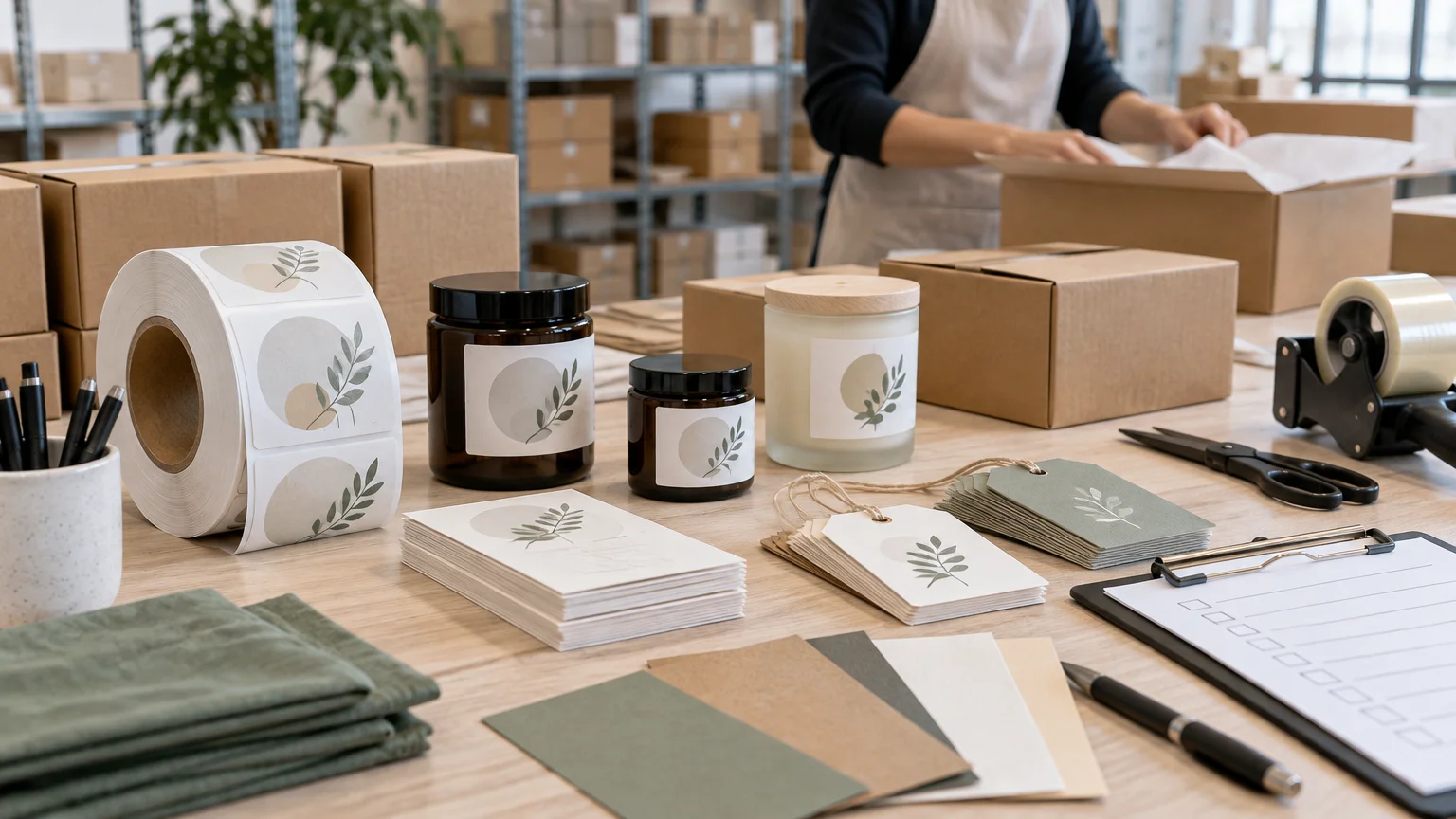
B2B Printing, Packaging and Production Workflows
Practical guidance for brand owners and operations teams managing labels, packaging, cardstock, specifications, proofing, handoffs and repeat orders.
Build a print system that is easier to repeat
B2B printing works best when every component is treated as part of one operating system. A label must fit its container and applicator. An insert must match the packing sequence. Cardstock, packaging and finishing choices must support the intended presentation, handling conditions and order volume. Intenext Print Solutions helps brand owners, operations managers, ecommerce teams, agencies and production coordinators connect those decisions before production begins.
This publication covers cardstock printing, roll labels, packaging print, inserts and hang tags, materials and finishes, production workflow, ecommerce operations, and print buying. The focus is practical: define requirements clearly, compare compatible options, prepare artwork and proofs carefully, and document the specifications needed for repeat orders. That approach keeps price, appearance, production speed and operational fit in the same decision.
Latest print and packaging guides
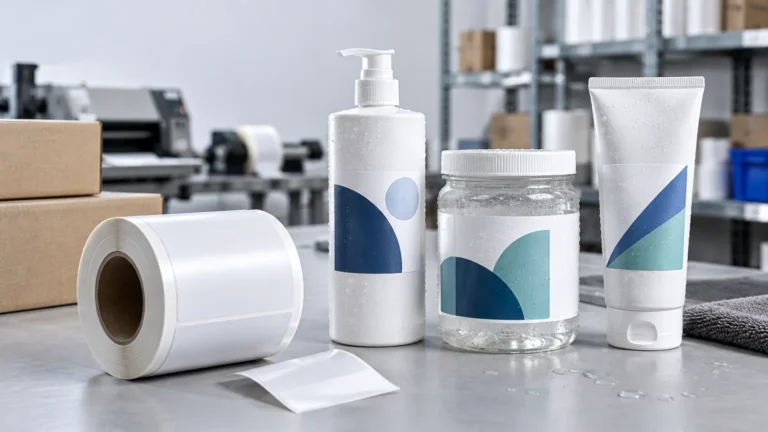
White BOPP Labels: The Workhorse Film for Moisture-Prone Products
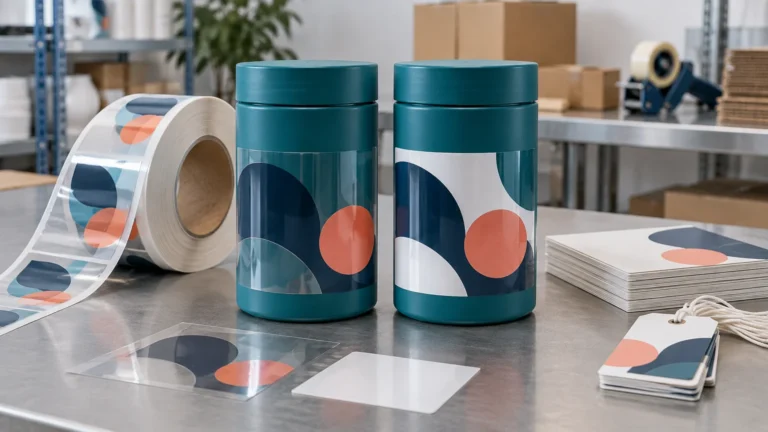
Clear BOPP Labels: How Transparency Changes Artwork and White Ink
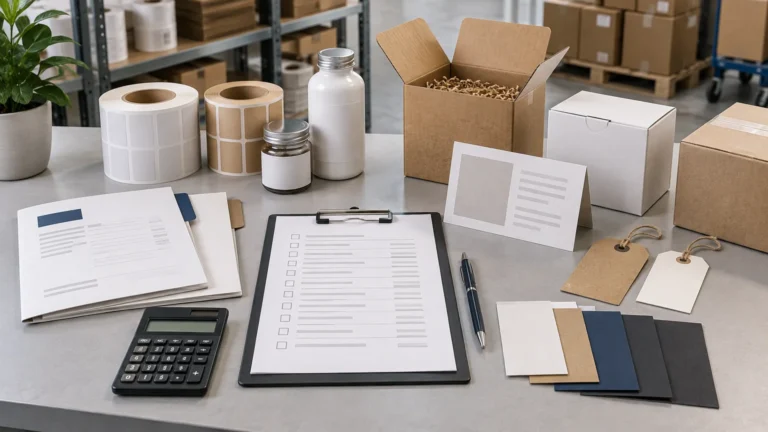
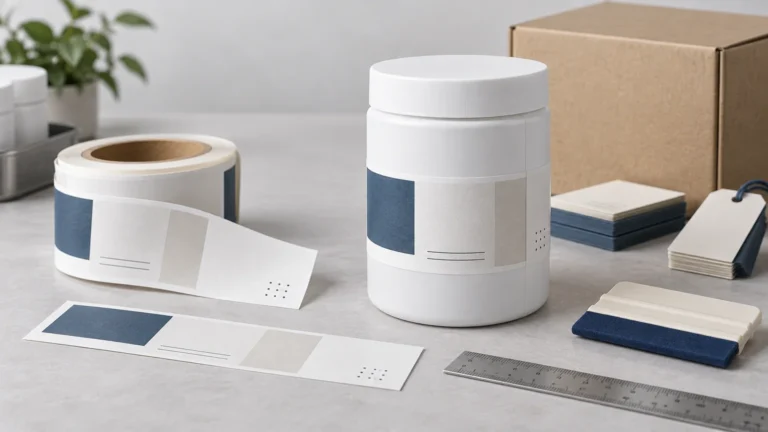
Wraparound Labels: When One Long Label Works Better Than Front and Back
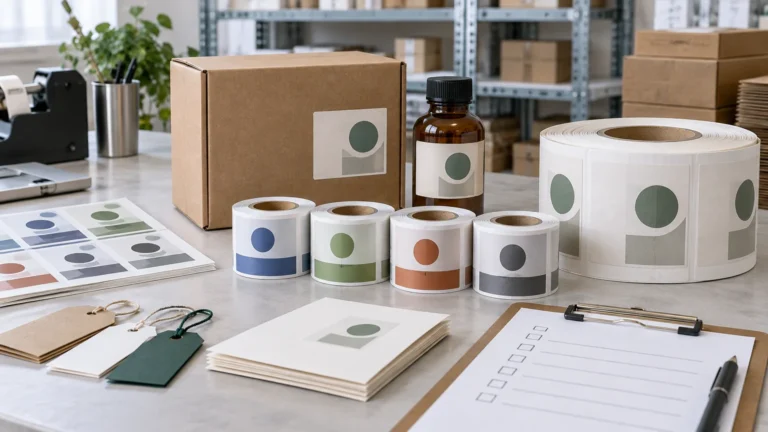
Custom Label Minimum Order Quantity: Plan Versions Before You Chase Unit Cost
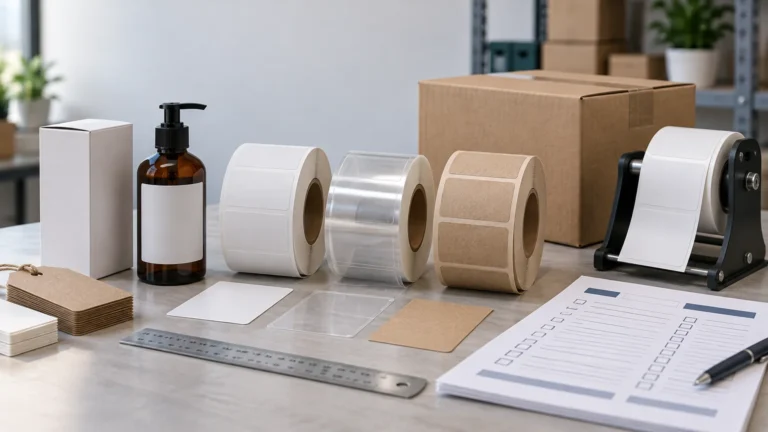
How Much Do Custom Labels Cost? Break the Quote Into the Variables That Matter
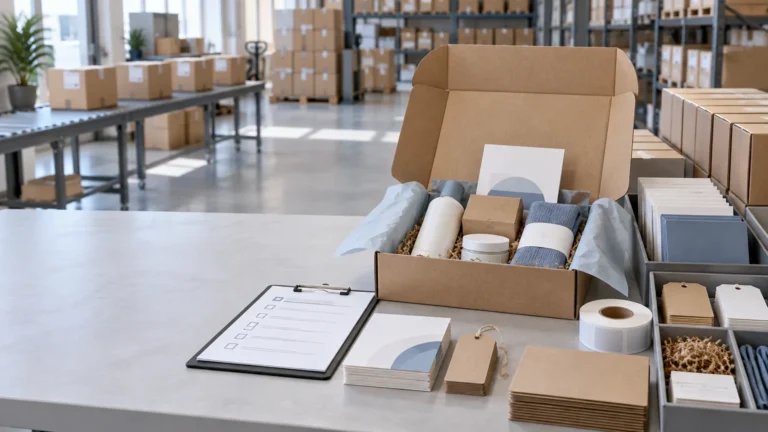
When Kitting Becomes an Operations Problem Instead of a Packing Task
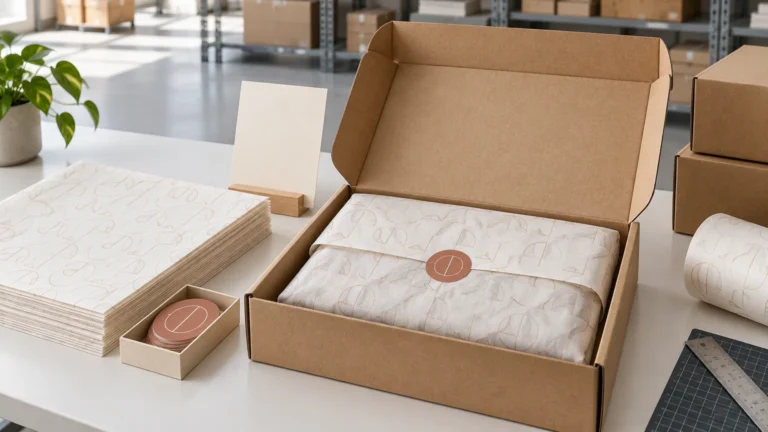
Custom Tissue Paper: When the Unboxing Layer Earns Its Cost
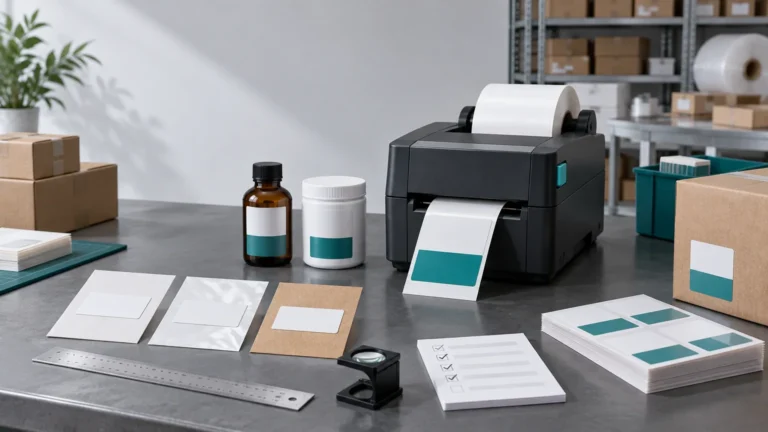
Printer Settings for Labels: Why Calibration Changes Across Materials
Move from a good sample to a reliable reorder
A finished piece is only one part of the job. The stronger goal is a repeatable specification that survives handoffs between design, purchasing, production and packing. Use these guides to identify the variables that change performance: dimensions, stock or film, adhesive, coating, color setup, finishing, roll direction, quantities, version counts, proof approvals, packing instructions and delivered cost. Record those details alongside approved artwork and samples. When the next order is planned, the team can compare like with like, spot substitutions and confirm that each printed component still fits the package and workflow.